#51 Money

We were chatting over dinner a few weeks ago about what you are taught in PSHE lessons and were somewhat surprised to find that money doesn’t really feature. So here is a little money 101.
How much money do you have?
Starting with the importance of knowing what you have coming in and know what you have going out. Burying your head in the sand about money can have serious consequences. A spread sheet which shows your earnings at the top and then deductions will cover the basics.
Debts - these will charge fees if not paid on time so pay them in full and on time.
Living costs - not how you would necessarily like to live, but the essential things you have to pay for like rent/mortgage, utilities, insurance, food, transport, council tax, toiletries.
Savings - have some! Ideally set up an automatic payment so the money gets saved without you even needing to think about it.
Once you have done these calculations you will know how much you have left each month for spending money on going out, clothes, holidays etc.
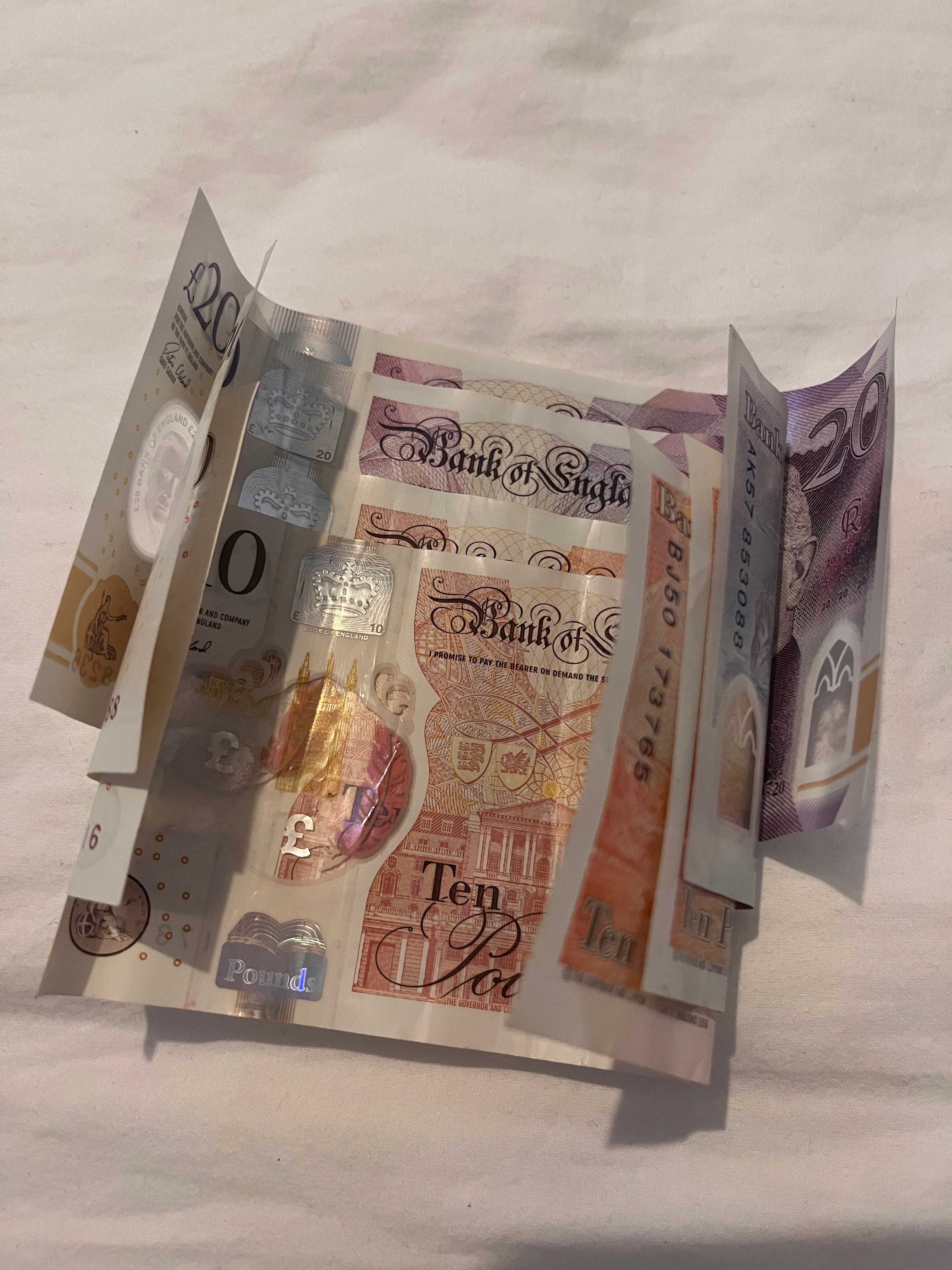
Shopping around
Shop around for insurance, utilities, savings accounts and debt (mortgage, loan, credit cards). There are loads of price comparison sites out there and by switching you often don’t just get a better deal, you get a bonus like vouchers just for switching.
Debt
Credit card debt is pretty much always the most expensive debt. So if you can’t pay it off in full this month, don’t buy it on a credit card. What credit cards are great for is online shopping as they give you consumer protection that you don’t get with a debit card. Some also come with rewards for spending so putting your weekly food shop on it actually earns you money on top. Just remember, you still have to pay the credit card bill when it arrives!
Ideally, if you want or need to buy something that you can’t afford from your monthly spending money, save up for it rather than getting it on any sort of ‘buy now, pay later’ deal. Whether that is a loan, a finance deal offered by the shop, or one of the companies like Klana. The debt has to be repaid some day, the interest rate will almost always be more than your savings rate, and not paying those debts on time will impact your credit score.
The perhaps obvious exception to this is your mortgage. That debt is pretty much inevitable if you’re going to own property. Just shop around for the best rate you can find, pay it every month and avoid interest-only deals so that you are paying down the original debt.
Credit score
Speaking of which, do check your score before you take out any debt. There is great advice here from Martin Lewis about how to check your score without impacting the score (sometimes checking your score creates a record on your report). Your credit score is used by finance companies to decide how big a risk you are to lend money to. It’s especially important when taking out a mortgage.
Saving
Saving is a habit I know you have already got into to buy things you really want. It does require a bit more patience with purchasing, but sometimes that delayed gratification is a useful chance to work out whether you really want the thing anyway.
As an adult, having an emergency fund is also a really good idea. Some folks say having 3 months of living costs is a good level to aim for, others say 6 months. The gist though is to have some money tucked away just in case. It gets used for things like boiler or car repairs, not holidays!
Final thought
There is of course so much more that I could write about money, and as soon as I hit publish I’ll think of something else, but this covers the basics.
Which I just did as I walked up the stairs.
If you ever find yourself in an argument about money, it’s probably not really about money. Money can be a hugely emotive topic and a real lighting rod for strong feelings, so you might want to take a mental step back and check what it is that you’re really arguing about.